Call 800-798-5767
A Practical DASH Diet Meal Plan for Heart-Healthy Eating

Understanding the DASH Diet
What Is the DASH Diet?
The DASH diet is a heart-healthy nutrition plan made to prevent and treat high blood pressure.
It prioritizes vegetables, fruits, whole grains, low-fat or fat-free dairy, and lean protein, while avoiding added sodium, saturated fats, and sugars.
What Does DASH Stand For?
The DASH diet stands for Dietary Approaches to Stop Hypertension.
The goal of the DASH diet is to help treat or prevent high blood pressure (hypertension) and improve heart health.
How Does the DASH Diet Help Lower Blood Pressure?
The DASH diet lowers blood pressure by reducing sodium and adding nutrients and fiber to help relax blood vessels and reduce fluid.
A low-salt diet helps prevent fluid retention. More potassium, magnesium, and calcium also balance out sodium, help relax the blood vessel walls, and support healthy circulation. Additional dietary fiber supports a healthy weight, which can also lessen stress on the arteries.
Who May Benefit From the DASH Diet?
The DASH diet may benefit people with high blood pressure (hypertension), heart disease, diabetes, or kidney disease.
It can also support weight loss for overall wellness and long-term heart and brain health.
What to Eat on the DASH Diet
What Foods Are Included in the DASH Diet?
Foods included in the DASH diet include fruits, vegetables, whole grains, low-fat dairy, lean proteins, and healthy fats.
Examples of fruits on the plan include apples, bananas, grapes, and berries. Veggies include broccoli, carrots, spinach, tomatoes, and sweet potatoes. Healthy grains include whole-wheat bread, brown rice, oats, quinoa, and whole-grain cereals.
The plan focuses on low-fat or skim milk, yogurt, and cheese, along with skinless chicken, turkey, and seafood. DASH diets also include nuts, seeds, and legumes, in addition to olive and other heart-healthy oils.
How Many Fruits and Vegetables Should You Eat on the DASH Diet?
Those on the DASH diet should eat 4 to 5 servings of vegetables and fruit each day based on a 2,000-calorie diet.
A serving of vegetables may include 1 cup of raw leafy greens or 1/2 cup of cooked or chopped broccoli. For fruit, one serving may include 1 medium apple or orange, or 1/2 cup of fresh, frozen, or canned peaches.
Why Are Whole Grains Important on the DASH Diet?
Eating whole grains on the DASH Diet provides fiber, magnesium, and potassium, which help lower blood pressure and protect the heart.
Whole grains increase blood flow and help flush out sodium from the body. They also lower cholesterol and reduce inflammation in the arteries. In addition, whole grains take longer to digest, which prevents blood sugar spikes, and they provide more iron, B vitamins, and antioxidants than processed grains.
What Role Do Fats and Oils Play in the DASH Diet?
Unsaturated fats and oils allowed in the DASH diet help lower LDL cholesterol and reduce the risk of heart disease.
Healthy fats also help the body absorb vitamins A, D, E, and K, while helping you to feel full.
Can You Eat Scrambled Eggs on the DASH Diet?
Yes, you can eat scrambled eggs on the DASH diet.
One scrambled egg counts as a 1-ounce serving of lean protein. However, when eating scrambled eggs on the DASH diet, it’s best to limit the use of salt and avoid using butter. Adding vegetables to your eggs is another good way to increase your daily vegetable intake.
What Is an Example of a DASH Diet Meal?
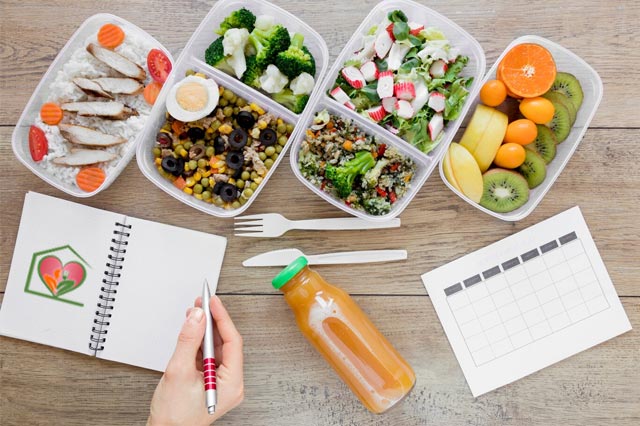
A typical DASH diet meal may include 4 ounces of salmon with a maple balsamic glaze, 1 cup of whole-grain and wild rice, and 3/4 cup green beans with red bell peppers, plus 1/2 cup canned pear slices in juice and unsweetened tea.
A DASH breakfast may include oatmeal with raisins and banana with milk, plus coffee or tea. A lunch example includes a hummus plate with red pepper, cucumber, carrots, and falafel in a whole grain pita pocket.
Foods to Limit on the DASH Diet
What Foods Are Not Allowed on the DASH Diet?
The DASH diet does not allow foods with high levels of sodium, sugars, or added fats overall.
Specifically, you should avoid processed and cured meats, sugary drinks, fried foods, full-fat dairy, and tropical oils. Limit refined grains or canned/overly processed meals as well.
How Does Sodium Affect Blood Pressure?
Sodium causes excess fluid retention in the body, which causes your heart to work harder and raises your blood pressure.
When the body cannot dilute excess sodium in the bloodstream, it holds onto fluid. This increases the volume of blood inside your blood vessels. Sodium also forces your kidneys to not filter fluids properly, which damages them.
What Three Foods Do Cardiologists Say to Avoid?
Cardiologists recommend avoiding processed meats (bacon, sausage, hot dogs, or deli meats), fried foods, and sugary drinks to protect heart health.
These foods are high in sodium and preservatives, including nitrates. The additives raise blood pressure and increase the risk of heart disease.
Which Fats Should You Limit on the DASH Diet?
Limiting saturated and trans fats is paramount to being on the DASH diet.
Saturated fats include those in animal products and fatty meats, while many processed and fried foods contain trans fats. It’s also best to avoid tropical oils and full-fat dairy.
How Do Processed Foods Affect Heart Health?
Processed foods affect heart health by increasing the risk of cardiovascular disease, heart attacks, and stroke.
This happens because excess salt raises blood pressure and causes the heart to work harder. Trans fats, refined sugars, and high-fructose corn syrup lead to high cholesterol, inflammation, and insulin resistance. These foods lack heart-healthy fiber, vitamins, and minerals, which protect against heart disease.
Building a Practical DASH Diet Meal Plan
How Do You Create a DASH Diet Meal Plan?
Create a DASH meal plan focused on a daily diet of 2,000 calories or less, while keeping sodium low.
Structure your nutrient-rich meals according to the amounts of each food type, such as the following:
- Whole Grains: 6 to 8 servings
- Vegetables: 4 to 5 servings
- Fruits: 4 to 5 servings
- Low-Fat or Fat-Free Dairy: 2 to 3 servings
- Lean Meats, Poultry, and Fish: 6 or fewer servings
- Nuts, Seeds, and Legumes: 4 to 5 servings (weekly)
- Fats and Oils: 2 to 3 servings
- Sweets and Added Sugars: 5 or fewer servings weekly
What’s a Good Snack on the DASH Diet?
Good snacks on the DASH diet should be low in sodium, high in fiber, and contain heart-healthy fats and proteins.
Examples include apple slices with unsalted peanut butter, plain low-fat Greek yogurt with berries, or low-sodium hummus with vegetables.
Can Peaches and Carrots Be Part of a DASH Diet Meal Plan?
Yes, peaches and carrots can be part of a DASH diet plan, since they are high in potassium and fiber and low in sodium.
They also help lower blood pressure and support heart health.
What Is a One-Day DASH Diet Meal Plan?
A one-day DASH diet meal plan focuses on whole grains, fruits, vegetables, low-fat dairy, and low sodium.
People take part in a one-day DASH meal plan to see how they fare with heart-healthy, low-sodium eating habits. Once they feel comfortable, they can commit to a long-term change in diet.
The DASH Diet, Blood Pressure, and Heart Health
How Does the DASH Diet Affect Hypertension?
The DASH diet lowers hypertension (high blood pressure) by decreasing fluid retention, causing blood vessel walls to relax, and improving heart health overall.
The DASH diet affects hypertension by lowering sodium intake, increasing foods rich in potassium, magnesium, and calcium, and limiting saturated fats and added sugars.
Can the DASH Diet Help Lower Cholesterol?
Yes, the DASH diet helps lower cholesterol, including LDL (“bad”) cholesterol.
This takes place due to a decrease in saturated fat by avoiding red meat, full-fat dairy, and tropical oils.
The DASH diet also emphasizes foods that are high in nutrients and fiber. These include whole grains, beans, nuts, fruits, and vegetables, leading to cholesterol absorption being blocked.
Can the DASH Diet Reduce Stroke Risk?
Yes, the DASH diet can help reduce the chances of a stroke by lowering blood pressure.
It also improves cholesterol levels by emphasizing foods rich in nutrients and lowering inflammation through high-fiber, plant-based foods.
How Does DASH Fit Into a Heart-Healthy Lifestyle?
The DASH diet boosts a heart-healthy lifestyle by focusing on nutrient-rich foods that lower blood pressure, cholesterol, and support cardiovascular function.
This is accomplished through an abundance of vegetables, fruits, and whole grains. It also focuses on low-fat or fat-free dairy, fish, poultry, beans, nuts, and seeds. The diet also works by eliminating/limiting saturated fats, tropical oils, fatty or processed red meats, sugar-sweetened beverages, and sweets.
DASH Diet and Weight Loss
Can the DASH Diet Help With Weight Loss?
Yes, the DASH diet helps with weight loss by reducing overall calorie intake along with increased physical activity or exercise.
The diet prioritizes nutrient-rich, lower-calorie whole foods, which can make you feel more full and satisfied through portion control.
To adapt the existing DASH diet from diet books to a weight-loss plan, reduce your portion of proteins such as lean meats. Then, choose lower-fat or no-fat dairy, and eliminate alcohol, sugary drinks, and added sugar overall.
How Does Losing Weight Affect Blood Pressure?
Losing weight lowers blood pressure by reducing the strain on the heart and improving blood vessel flow.
Less weight takes the pressure off your heart to pump harder in order to push blood through your body. Blood can circulate more easily, improving blood vessel health. Losing weight also reduces inflammation and improves insulin regulation.
Can You Follow the DASH Diet Without Counting Calories?
Yes, you can follow the DASH diet without counting calories, as long as you keep track of your portions and servings.
The DASH diet is instead focused on reaching several daily or weekly servings from heart-healthy food groups. These include fruits, vegetables, whole grains, and low-fat dairy.
Measuring portions is also a part of the plan, such as portioning 1 cup of broccoli, 1 ounce of meat, or a slice of bread.
How Can Portion Sizes Support Weight Loss?
Portion sizes support weight loss by helping you keep track of your daily calorie deficit.
A calorie deficit occurs when you consume fewer calories than your body burns. You can achieve a calorie deficit by eating smaller amounts and recognizing when you are naturally satiated or full. This method also prevents the feeling that you are depriving yourself of food.
Making the DASH Diet Easier to Follow
How Can You Make DASH-Friendly Meals More Convenient?
Making DASH-friendly meals more convenient is centered on preparing meals efficiently and using different flavor profiles.
With ready-to-heat meals from LifeSpring Home Nutrition, you can enjoy prepared fresh-to-frozen meals that fit the DASH diet. You will not have to shop for ingredients or prepare the meal(s) yourself. Our heart-healthy and low-sodium medically tailored meals (MTMs) also conform to DASH diet requirements.
How Can Prepared Meals Fit Into a DASH Diet Meal Plan?
Prepared meals can fit into a DASH diet plan by meeting the daily limits for sodium, saturated fat, and added sugars.
In addition to focusing on whole, nutrient-rich foods, DASH diets aim for under 2,300 milligrams (mg) each day.
LifeSpring’s heart-healthy and low-sodium prepared meal options are low in butter, tropical or vegetable oil, and full-fat dairy. Our meals are also rich in nutrients such as potassium, calcium, and magnesium. Ingredients include leafy greens, fruits, vegetables, beans, fish, and lean poultry, plus low-fat dairy.
How Can You Make Healthy Eating More Sustainable?
Eating more plant-based meals and reducing food waste are great ways to make healthy eating more sustainable.
When you get home-delivered DASH-diet-friendly meals from LifeSpring, you can choose more plant-based meals. Examples include Vegan Potstickers, Vegan Tofu Tikki Masala, and Chili Relleno. Many of our heart-healthy and low-sodium meals are also vegetarian and plant-based.
Choosing prepared meals prevents leftover food and waste, and they’re also convenient for our clients.
How Can Meal Planning Reduce Stress Around Healthy Eating?
Meal planning reduces stress around healthy eating by preventing the need for grocery shopping, food preparation, and cooking.
At LifeSpring Home Nutrition, we understand that stress affects your health. Being stressed about your food choices can add additional stress to your well-being. Whether our clients have mobility issues, cannot physically make healthy meals, or need to focus their energy on their improved health, our meals make it easy.
Lifespring helps alleviate the food aspect of stress, which is a huge part of everyday life. Our meals are designed to revolve around your life, not the other way around.
Frequently Asked Questions About the DASH Diet
Can you eat bread and pasta on the DASH diet?
Yes, you can eat bread and pasta on the DASH diet, but you should choose whole-grain varieties over refined white flour products.
It’s just as important to watch your portion sizes, especially when it comes to bread or pasta. For instance, 1 slice of whole-wheat bread equals 1 serving, as does 1/2 cup of cooked whole-wheat pasta, brown rice, or cereal. Try to avoid heavy sauces with your pasta, such as those high in fat or sodium.
Can you drink coffee on the DASH diet?
Yes, you can drink coffee on the DASH diet, but consult a physician if you have hypertension, since coffee causes a temporary spike in blood pressure.
When drinking coffee, avoid added sugar, flavored syrups, and full-fat creamers.
Is the DASH diet the same as a low-sodium diet?
No, the DASH diet focuses on low-sodium foods, as well as foods with nutrients, including potassium, calcium, magnesium, and fiber.
The DASH diet typically caps sodium intake at 2,300 mg per day, while the lower-sodium DASH diet reduces sodium to 1,500 mg per day.
How long does it take for the DASH diet to lower blood pressure?
The DASH diet starts to lower blood pressure within 1 week of starting the plan, which usually leads to a significant reduction in blood pressure within 2 weeks, according to the American Heart Association.
The highest reduction in blood pressure typically occurs between 4 and 8 weeks. When on the DASH diet for 2 to 3+ months, other long-term benefits include improved cholesterol and cardiovascular health.
Reach out today to LifeSpring Home Nutrition’s team of nutrition professionals, including registered dietitians, to get information about our home-delivered meals, including heart-healthy and low-sodium options. We will assist you in finding the best meal delivery plan according to your unique health and lifestyle needs.
Categories
 All Meals
 Heart Healthy
 Brain Health
 Cancer Support
 Renal
 Diabetic Friendly
 Gluten friendly
 Puree
 Recovery Boost
Popular on Blogar
A High-Protein Meal Plan for Balanced Daily Nutrition
- Nov 5, 2026
- 7 days ago
How to Improve Gut Health With Daily Habits
- Sep 19, 2026
- 2 months ago
A Practical DASH Diet Meal Plan for Heart-Healthy Eating
- Sep 18, 2026
- 2 months ago
What is Dialysis?: Treatment and Aftercare
- Sep 5, 2026
- 2 months ago

Best Vegetarian Protein Sources for a Balanced Diet
- 2 months ago